How to Arrange Furniture for Good Feng Shui: Complete Room-by-Room Guide
Master the art of Feng Shui furniture arrangement with our comprehensive guide. Learn command position principles and specific layouts for every room in your home.
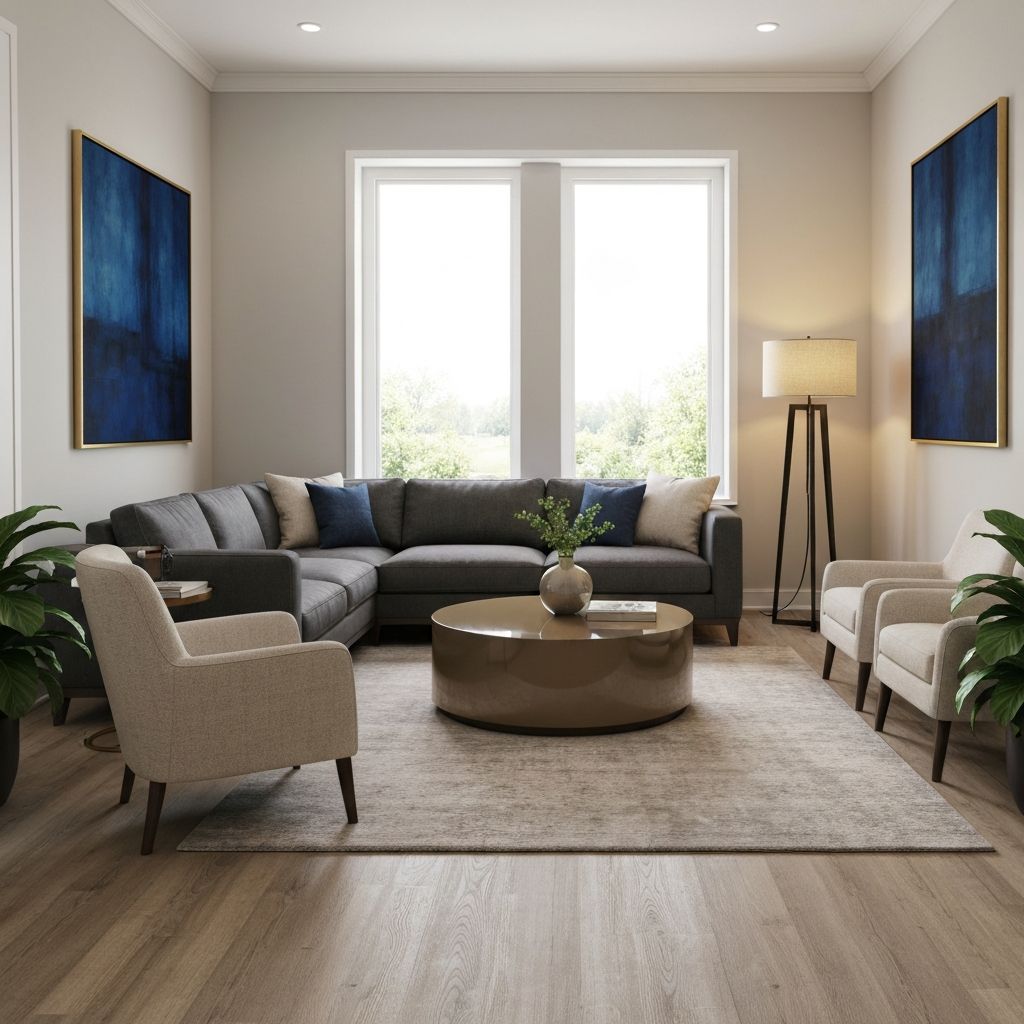
The Golden Rule: Command Position
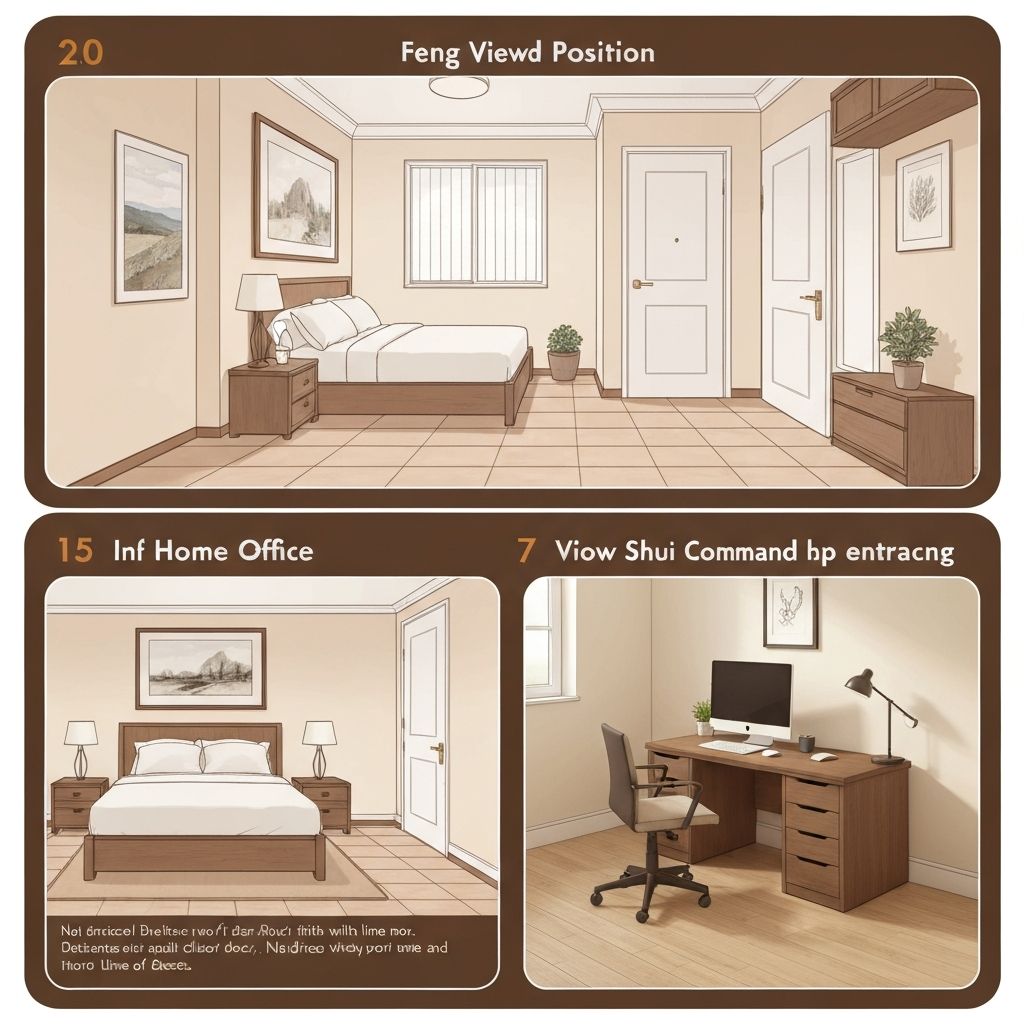
The command position is the foundational principle of all Feng Shui furniture placement. When you're in the command position, you can see the door clearly without being directly in its path. This gives you a sense of security and energetic authority in your space.
Apply command position to these key pieces: bed in the bedroom, desk in the office, sofa in the living room, and stove in the kitchen. Even your favorite chair should ideally face the entrance.
Living Room Furniture Arrangement
The Conversation Circle
Arrange seating to form a circle or square that encourages face-to-face interaction. Avoid lining furniture against walls—this creates distance and hinders conversation.
- Main sofa: Against a solid wall, facing door diagonally
- Accent chairs: Positioned at 45-90° angles to the sofa
- Coffee table: Round or oval to soften energy; within arm's reach
- Rugs: Define the seating area with a unifying rug
- Plants: Place in corners to soften sharp angles
- TV: Not the focal point—balance with artwork or mirror
Bedroom Furniture Arrangement
Bed Placement (Most Important)
- Solid wall behind: Provides support and protection
- Diagonal from door: Command position without being in line with door
- Equal space both sides: Balances relationship energy
- Headboard required: Provides stability and career support
- Not under window: Weakens personal energy
- Not under beam: Causes pressure and headaches
Supporting Furniture
- Matching nightstands: Both sides for relationship balance
- Dresser: Opposite wall, not facing foot of bed
- Mirror placement: Never facing the bed directly
- No TV in bedroom: Or cover it when sleeping
Struggling With Your Layout?
FengShui Hero's AI scans your room and shows you exactly where to move furniture for optimal command position and energy flow.
Try FengShui Hero AIHome Office Arrangement
- Desk in command position: Facing door diagonally
- Solid wall behind your chair: Career support
- Clear view of entrance: Stay aware of opportunities
- Natural light: From the side, not behind
- Storage behind you: Represents organized support system
- Inspiring artwork in front: In your line of sight while working
Dining Room Setup
- Round or oval table: Promotes equality and conversation
- Even number of chairs: Creates balance
- Host seats in command: Facing the entrance
- Mirror to reflect table: Doubles food/abundance energy
- Chandelier centered: Not directly over seats
Universal Furniture Placement Rules
Energy Flow Principles
- 3-foot pathways: Between all major furniture pieces
- Rounded edges preferred: Avoid sharp corners pointing at seating
- Balance yin and yang: Mix soft and firm, dark and light
- Anchor with rugs: Define zones and ground energy
- Layer lighting: Multiple sources at different heights
- Leave breathing room: Don't overcrowd any room
Common Furniture Mistakes to Avoid
- Bed or desk facing directly out the door (coffin position)
- Sharp furniture corners pointing at seating areas
- Furniture blocking doors or creating narrow passages
- All furniture pushed against walls
- Mismatched pairs in bedrooms (nightstands, lamps)
- Broken or wobbly furniture (affects stability in life)
- Over-decorating surfaces with clutter
Quick Checklist for Any Room
- Identify the most important piece of furniture for the room
- Place it in command position (see door diagonally)
- Ensure solid wall support behind main furniture
- Create clear 3-foot pathways throughout
- Soften sharp corners with plants or rounded decor
- Balance heavy and light elements
- Test the space: Does it feel open and inviting?
Related Reading
Get Instant Furniture Placement Recommendations
Scan any room and receive personalized Feng Shui layout advice from our AI.
Download FengShui Hero