Feng Shui Yin Yang Balance: Create Perfect Harmony in Every Room
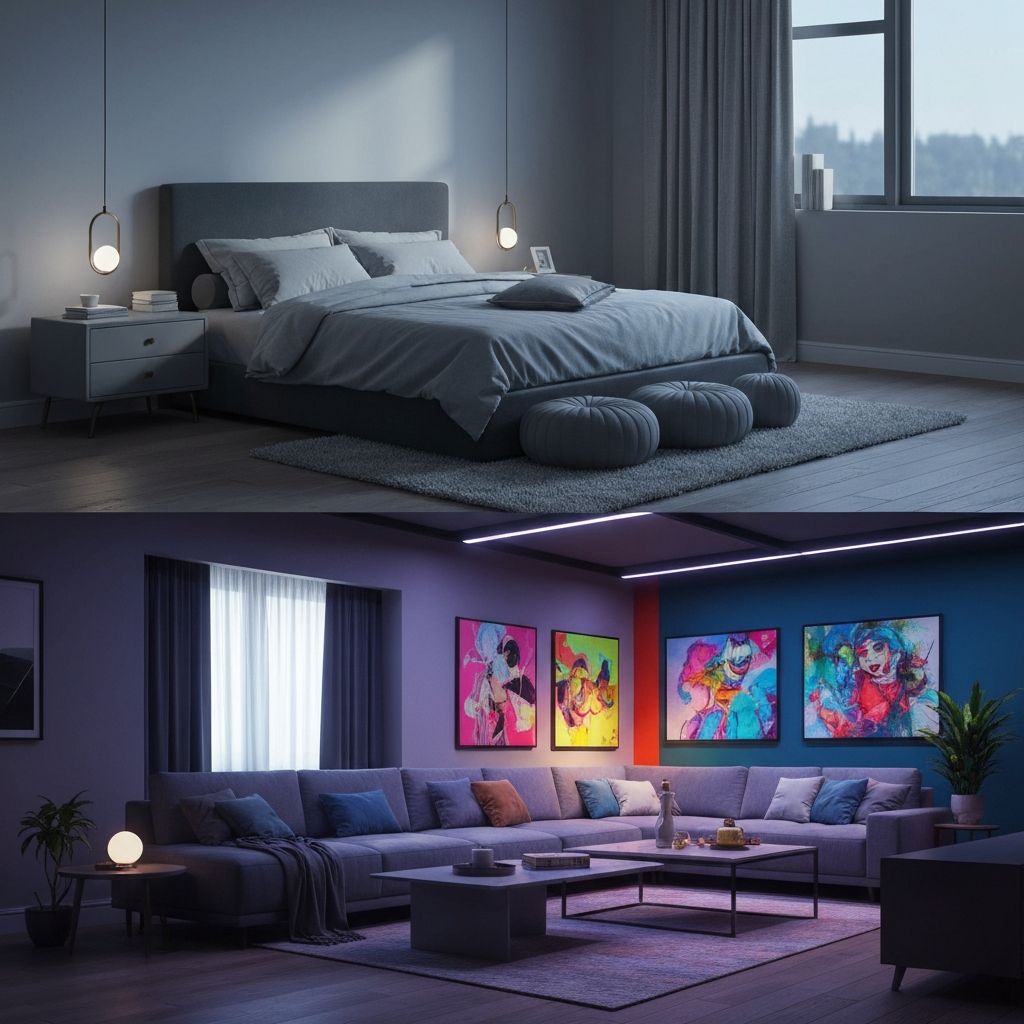
Yin and yang is the foundational principle underlying all of Feng Shui. Before the five elements, before the Bagua map, before any placement rule — there is the dance between yin and yang. Understanding this balance transforms how you experience every room in your home. This guide teaches you to read, diagnose, and correct yin yang imbalances for true harmony.
Understanding Yin and Yang Energy
Yin and yang are not opposites fighting each other — they are complementary forces that create wholeness together. Neither is good or bad. Both are essential. The goal in Feng Shui is never to eliminate one, but to find the perfect balance for each room's purpose.
Yin Energy Qualities
- Dark, dim, soft lighting
- Cool colors: blues, purples, greens
- Soft, plush, curved textures
- Quiet, still, peaceful
- Low, heavy, grounding
- Night, moon, water
- Rest, reflection, receptivity
Yang Energy Qualities
- Bright, vivid, direct lighting
- Warm colors: reds, oranges, yellows
- Hard, smooth, angular surfaces
- Loud, active, stimulating
- Tall, light, uplifting
- Day, sun, fire
- Action, expression, productivity
Room-by-Room Yin Yang Balance
Bedroom: 70% Yin / 30% Yang
Your bedroom should be predominantly yin to support deep restful sleep. Use soft lighting, cool calming bedroom colors, plush textiles, and quiet decor. Add just enough yang (a touch of warmth, a small piece of vibrant art) to prevent the room from feeling lifeless.
Living Room: 50% Yin / 50% Yang
The living room serves both active and restful purposes, so it needs perfect equilibrium. Follow our living room layout guide and balance bright conversation areas with cozy reading nooks. Mix hard and soft surfaces — a solid wood coffee table with plush sofa cushions.
Home Office: 60% Yang / 40% Yin
Productivity requires more yang energy — bright lighting, active colors, and clear surfaces. Your desk position should feel commanding and energized. However, add yin touches (a soft rug, a small plant) to prevent burnout and creative blocks.
Kitchen: 60% Yang / 40% Yin
Kitchens naturally carry yang energy from cooking fire and activity. Your kitchen layout should embrace this with good lighting and warm tones, but balance with yin elements like soft hand towels, cool countertops, and the water element from the sink.
Bathroom: 55% Yin / 45% Yang
Bathrooms lean yin due to water dominance. Add yang elements like bright lighting, warm colors, and fresh flowers to prevent excess yin. Proper bathroom mirror placement adds reflective yang energy. Keep the space clean and bright.
Diagnose Your Yin Yang Balance with AI
Upload a photo of any room and our AI will analyze its yin yang balance instantly.
Download FengShui Hero AppHow to Fix Yin Yang Imbalances
Too Much Yin? Add These Yang Cures:
- Brighten the lighting — add lamps, open curtains, use full-spectrum bulbs
- Add warm colors — red, orange, or yellow accents through pillows, art, or flowers
- Introduce movement — a clock with a pendulum, a mobile, or a small fountain
- Play music — sound activates yang energy immediately
- Add the fire element — candles are the quickest yang activator
Too Much Yang? Add These Yin Cures:
- Dim the lighting — use dimmers, switch to warm-tone bulbs, add sheer curtains
- Add cool colors — blues, greens, lavender through textiles and decor
- Introduce soft textures — plush rugs, velvet cushions, woven throws
- Reduce noise — add soft furnishings that absorb sound
- Add the water element — water features bring calming yin energy
Get Room-by-Room Balance Analysis
Our AI scans your rooms and tells you exactly where yin and yang are out of balance.
Try FengShui Hero FreeFrequently Asked Questions
What is yin and yang in Feng Shui?
Yin and yang are the two complementary forces in Feng Shui. Yin represents feminine, passive, dark, cool, quiet energy. Yang represents masculine, active, bright, warm, energetic energy. Every space needs both in proper balance.
How do I know if my home has too much yin energy?
Signs of excess yin include feeling lethargic, depressed, unmotivated, or cold in your home. The space may feel dark, damp, or overly quiet. You may oversleep or feel unable to take action on goals.
How do I know if my home has too much yang energy?
Signs of excess yang include feeling anxious, restless, unable to sleep, or stressed at home. The space may feel too bright, noisy, hot, or chaotic. Arguments and hyperactivity are common in yang-heavy homes.
Should bedrooms be more yin or yang?
Bedrooms should be predominantly yin — soft lighting, cool colors, plush textures, and quiet atmosphere. This supports rest and relaxation. However, a small touch of yang prevents the room from feeling depressing.
Should kitchens be more yin or yang?
Kitchens benefit from slightly more yang energy — bright lighting, warm colors, activity, and the fire element from cooking. However, balance this with yin touches like soft textures and calming earth tones.
Can yin yang imbalance cause health problems?
In traditional Chinese philosophy, yes. Excess yin can contribute to depression, fatigue, and dampness-related issues. Excess yang can lead to anxiety, insomnia, and stress-related conditions. Balance supports overall wellbeing.
Balance Your Home with FengShui Hero
AI-powered yin yang analysis for every room in your home.
Download Free on App Store