Feng Shui Lighting: Complete Guide to Illuminate Your Home for Positive Energy
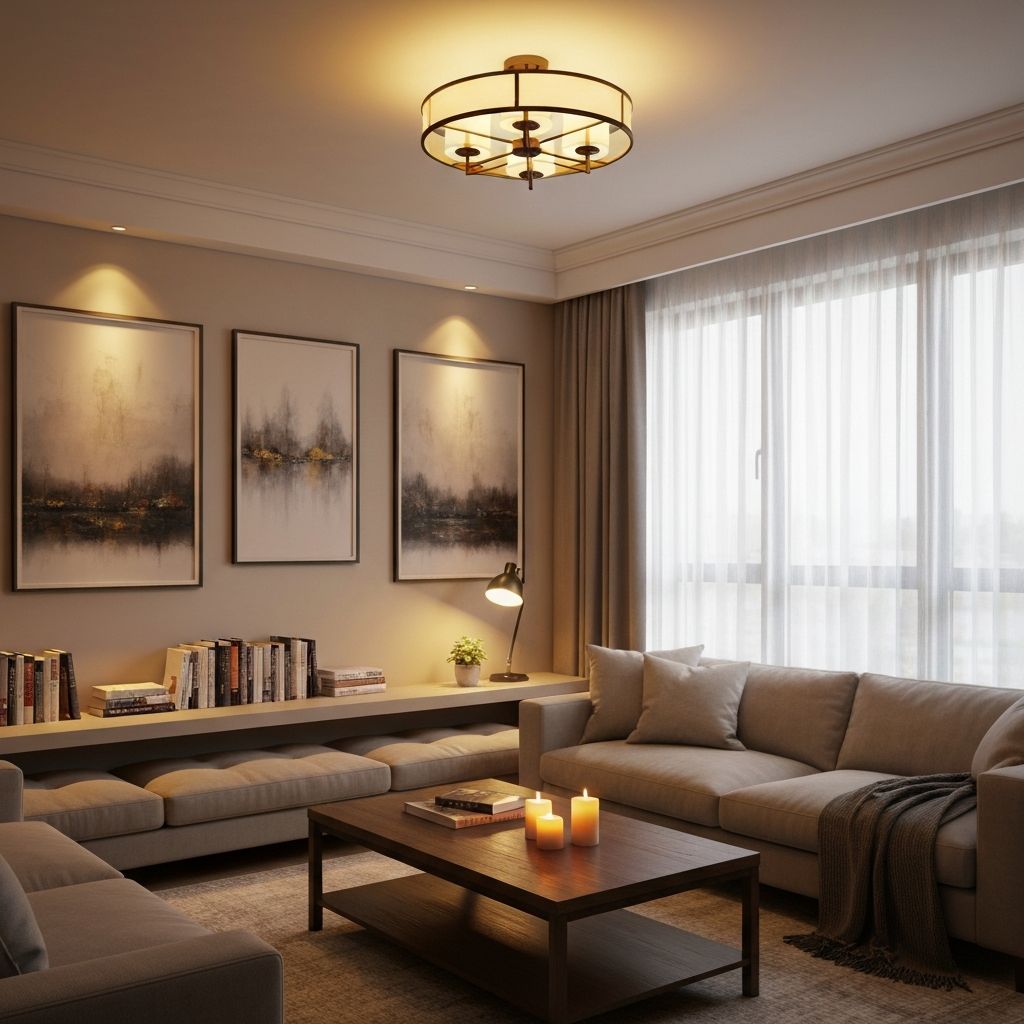
Light is the most powerful form of the fire element in Feng Shui. It has the ability to instantly transform the energy of any space — lifting depression, activating prosperity, enhancing romance, and boosting productivity. Yet most people light their homes incorrectly, creating harsh yang overload in some areas and dark yin stagnation in others. This guide teaches you the art of balanced, intentional lighting.
Why Lighting is the Most Powerful Feng Shui Tool
Lighting represents the fire element — the most active and transformative of the five elements. Unlike rearranging furniture or painting walls, changing your lighting takes minutes and the effects are felt immediately. Light lifts stagnant chi from dark corners, activates dormant areas of your Bagua map, and directly influences your mood and circadian rhythm.
The Three Layers of Feng Shui Lighting
Every room needs three layers of light to create balanced chi flow. Missing any layer creates an energetic imbalance:
1. Ambient Lighting (The Foundation)
This is the overall room illumination — ceiling fixtures, recessed lights, or large pendant lamps. It sets the baseline energy level. Use dimmers wherever possible so you can adjust the yin-yang balance throughout the day. Bright for morning yang energy, dim for evening yin relaxation.
2. Task Lighting (Focused Chi)
Desk lamps, reading lights, and under-cabinet kitchen lights direct chi toward specific activities. In your home office, place your desk lamp on the left side to attract career luck. In the kitchen, ensure your stove area is brightly lit to activate wealth energy.
3. Accent Lighting (Chi Activators)
These are the strategic enhancements — uplights in corners that banish stagnant chi, candles for fire element activation, picture lights highlighting inspiring art, and backlit shelves showcasing meaningful objects. Accent lights are your most powerful Feng Shui cure for dark, dead zones.
Room-by-Room Lighting Guide
Entryway: Bright and Welcoming
Your entryway should always be well-lit. A bright entrance invites chi into your home. Use a warm overhead fixture plus accent lighting. Never allow your entry to be darker than the outside — this repels positive energy.
Bedroom: Soft and Layered
Avoid overhead ceiling lights directly above the bed — they create pressing chi that disturbs sleep. Use matching bedside lamps in pairs for relationship harmony (learn more in our couples bedroom guide), and install a dimmer on any overhead light. Warm tones only — never cool white or blue in the bedroom.
Living Room: Layered Versatility
The living room needs all three layers with maximum flexibility. Floor lamps in dark corners, table lamps for intimate conversation areas, and overhead light for active gatherings. Follow our living room layout guide and ensure no seating area is left in shadow.
Get Your Lighting Analysis with AI
Upload a photo and our AI will show you exactly where to add or soften lighting.
Download FengShui Hero AppMaximize Natural Light
Natural sunlight is the highest quality yang energy available. To maximize it:
- Clean windows regularly — dirty windows filter out chi along with light
- Use sheer curtains — they soften harsh direct sun while allowing chi to flow through
- Place mirrors strategically — a well-placed mirror can bounce natural light deep into dark rooms
- Trim exterior plants — overgrown bushes blocking windows block prosperity
- Choose light window treatments — heavy dark drapes trap yin energy
Lighting Mistakes to Avoid
- Fluorescent overhead tubes — create harsh, flickering chi that causes headaches and anxiety
- A single central ceiling light — creates flat, lifeless energy with dark corners
- Burned-out bulbs — dead lights create dead chi; replace immediately
- Mismatched color temperatures — mixing warm and cool bulbs confuses room energy
- Exposed bulbs without shades — create sha chi (sharp cutting energy) from glare
Optimize Every Light in Your Home
Our AI gives you specific lighting recommendations based on your room photos.
Try FengShui Hero FreeFrequently Asked Questions
What type of lighting is best for Feng Shui?
Full-spectrum lighting that mimics natural sunlight is ideal for Feng Shui. Use warm-toned LED bulbs (2700K-3000K) for living areas and bedrooms, and brighter daylight bulbs (4000K-5000K) for home offices and kitchens where productivity matters.
Are LED lights good for Feng Shui?
Yes, LED lights are excellent for Feng Shui when you choose the right color temperature. They provide clean, consistent light without the flickering of fluorescent bulbs. Choose warm LEDs for yin spaces and brighter LEDs for yang spaces.
Where should I place lamps for good Feng Shui?
Place lamps in dark corners to lift stagnant chi, on bedside tables in pairs for relationship harmony, on the left side of your desk for career success, and near the entrance to welcome chi into your home.
Is natural light important in Feng Shui?
Natural light is the highest quality chi in Feng Shui. It carries powerful yang energy that uplifts mood and activates prosperity. Maximize natural light by cleaning windows, using sheer curtains, and trimming bushes that block window views.
Should I leave lights on at night for Feng Shui?
Not all lights. In Feng Shui, nighttime is yin time and rooms should be dark for rest. However, a small nightlight in hallways prevents chi from getting lost, and leaving the porch light on invites protective energy.
Are candles considered lighting in Feng Shui?
Absolutely. Candles are the purest form of fire element lighting. They activate fame, passion, and recognition energy. Place red candles in the south area for fame, and pink candles in the southwest for romance.
Light Up Your Life with FengShui Hero
AI-powered Feng Shui lighting analysis for every room.
Download Free on App Store